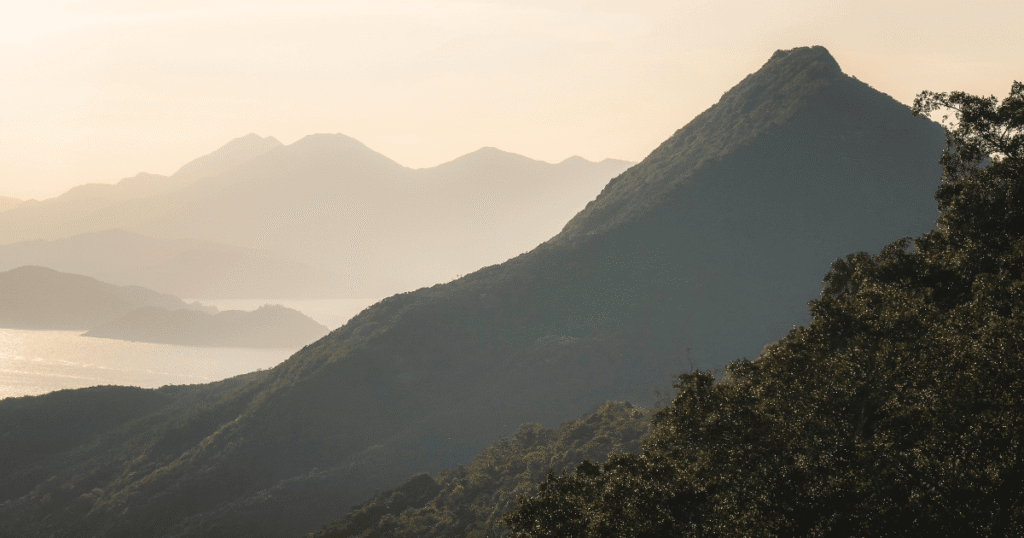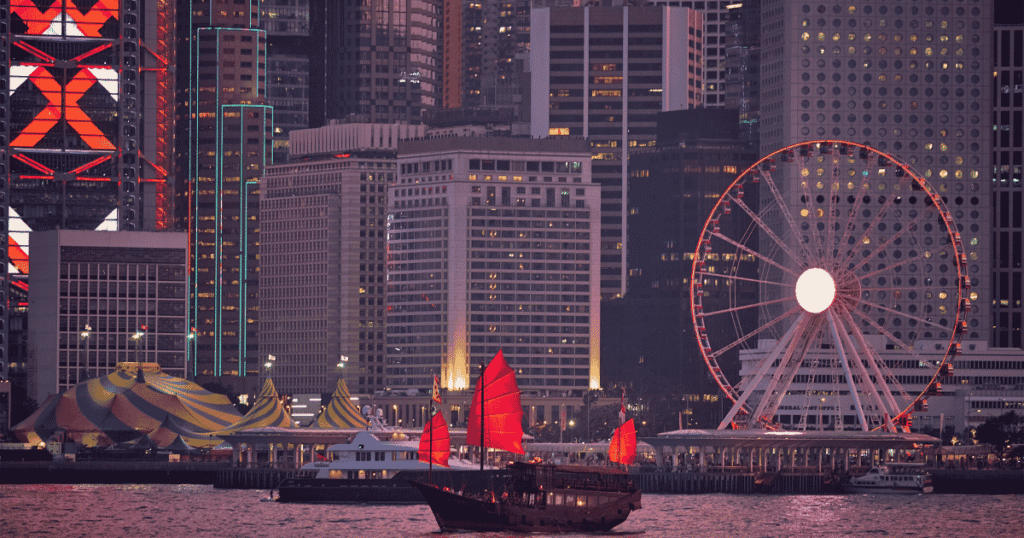
For decades, Hong Kong was defined by velocity. It was a city of efficiency — a high-octane transit hub where business deals were sealed in skyscraper lobbies and visitors raced through neon-lit markets with checklists in hand. But 2026 marks a genuine shift in how people are choosing to experience the city.
The “fast” Hong Kong hasn’t disappeared. What has changed is the emergence of a parallel movement: slow travel. Today’s discerning traveler is no longer looking for a quick stopover. They are looking for depth — neighborhoods explored on foot, meals eaten without a reservation, afternoons without an agenda. The hotel has evolved from a place to sleep into a base from which to actually understand a city.
This guide covers how to approach Hong Kong through that lens: where to go, what to slow down for, and how to choose accommodation that supports that kind of stay.
Why Hong Kong Is Now One of Asia’s Top Slow Travel Destinations
The case for slow travel in Hong Kong rests on a simple paradox: the city rewards patience in a way that its reputation suggests it shouldn’t.
Beneath the density and pace of the financial district lies a city of extraordinary layers — colonial architecture sitting alongside Tang dynasty temples, century-old medicinal herb shops operating fifty metres from Michelin-starred tasting menus. These layers don’t reveal themselves on a two-night stopover. They require time, walking, and the willingness to get slightly lost.
In 2026, international travel media has begun reflecting this. Hong Kong is increasingly appearing in “extended stay” and “local immersion” travel features rather than the traditional “48 hours in” format. The shift is real, and the city’s hospitality sector is responding to it.
Cultural Travel in Hong Kong: West Kowloon and the Art of Stillness
M+ Museum and the Hong Kong Palace Museum
The undisputed epicentre of Hong Kong’s cultural offer in 2026 is the West Kowloon Cultural District (WKCD). While the Central skyline remains the city’s most recognisable image, West Kowloon has given Hong Kong something it long lacked: genuine breathing room.
The M+ Museum is the anchor. Rather than treating it as a checkbox, the slow traveler builds half a day around it — moving through the permanent collection at whatever pace feels right, spending time in the Mediatheque, pausing on the rooftop terrace with a view across the harbour. Just a short walk away, the Hong Kong Palace Museum bridges ancient Chinese heritage with contemporary curatorial thinking.
In spring 2026, the Treasures of Global Jewellery from the Met exhibition at the Palace Museum has drawn particular attention from design-focused travelers who appreciate craftsmanship as a form of cultural dialogue.
The Art Park and WKCD’s Public Spaces
What distinguishes West Kowloon from Hong Kong’s other cultural institutions is the quality of its public space. The Art Park — the open waterfront between the museum buildings — functions as a daily gathering ground for local families, amateur photographers, and anyone who wants to watch the harbour change colour at dusk. The WestK FunFest programming brings a community dimension that larger international art fairs consistently fail to replicate.
Hong Kong City Walks: The Best Neighborhoods to Explore on Foot
Sheung Wan: Hong Kong’s Most Layered Neighborhood
For a street-level introduction to Hong Kong’s character, Sheung Wan remains the strongest starting point in 2026. The neighborhood operates as a masterclass in urban coexistence: century-old traditional Chinese medicine shops and dried seafood traders share the same block as specialty coffee roasters, independent bookshops, and natural wine bars.
The scent of dried scallops and medicinal herbs mingles with single-origin espresso on Hollywood Road. The alleyways behind Queens Road West — still lined with incense and paper offering shops — open, without warning, onto art galleries and pop-up concept stores. This is the texture that slow travel is designed to surface.
For travelers using Sheung Wan as their base, this kind of exploration requires nothing more than a pair of comfortable shoes and an unscheduled morning. CM+ Hotel & Serviced Apartments, located at Sheung Wan MTR Exit C, sits at the centre of this neighborhood — making it a natural starting point for exactly this kind of unstructured city walking.
Wan Chai and Central: Living Heritage
Beyond Sheung Wan, the Blue House cluster in Wan Chai and the revitalised Tai Kwun in Central represent Hong Kong’s best examples of heritage adaptive reuse. Both have moved well beyond static museums. Tai Kwun in particular — the former Central Police Station compound — now functions as a live performance and arts venue, a hospitality destination, and a heritage site simultaneously.
These spaces reward repeat visits more than first-time ones. The program changes seasonally, the restaurants inside have their own strong identities, and the architecture reads differently depending on the time of day.
Hong Kong Food Culture in 2026: Slow Food, Local Sourcing & Sustainable Dining
Hong Kong’s dining scene has always been world-class. The 2026 evolution is not about adding Michelin stars — it is about the provenance of what lands on the plate.
The city’s leading chefs are increasingly sourcing from organic farms in the New Territories and fishing communities on Lantau Island. The Slow Food ethos has reached high-end dim sum parlors, where the origin of tea leaves and shrimp carries the same weight as technique and presentation.
For travelers who want to trace this back to the source, a half-day trip to Tai O fishing village on Lantau is among the most genuinely memorable experiences Hong Kong offers. This stilt-house village — accessible by bus and ferry from the urban core — is where the city’s famous shrimp paste originates. It functions as a living fishing community, not a reconstructed heritage attraction.
How to Choose the Right Base for a Slow Travel Stay in Hong Kong
In a city as dense as Hong Kong, the choice of accommodation shapes everything downstream. The ideal slow travel base in 2026 has three characteristics:
Neighborhood character: staying inside a walkable district with independent food, retail, and cultural assets, rather than in a sterile hotel corridor
Connectivity without noise: easy MTR access and proximity to ferry terminals for day trips, without being on the busiest tourist thoroughfare
Space to decompress: a property that feels like a place to return to, not just a place to store luggage
The Sheung Wan and Central corridor satisfies all three. The neighbourhood has more independent character per square metre than almost anywhere else on Hong Kong Island. The MTR and harbour ferries connect to every major cultural destination in under thirty minutes. And the area’s serviced apartment stock — which combines hotel service with the living space of a proper home — suits extended stays in a way that standard hotel rooms do not.
CM+ Hotel & Serviced Apartments offers harbour-view rooms and fully equipped apartment units from its position at the heart of Sheung Wan, two minutes from the Macau Ferry Terminal and within walking distance of both the Central harbourfront and the neighborhood’s most characterful streets.
Frequently Asked Questions About Slow Travel in Hong Kong
What does “slow travel” mean in Hong Kong?
In the Hong Kong context, slow travel means choosing depth over volume — spending more time in fewer neighborhoods, eating at local restaurants without reservations, walking between destinations rather than taking taxis, and staying long enough to develop a sense of place rather than just a checklist of landmarks visited.
Which neighborhood is best for slow travel in Hong Kong?
Sheung Wan is the strongest starting point. It has the highest density of independent food, retail, and cultural businesses of any neighborhood on Hong Kong Island, and its street-level character — the mix of traditional trades and contemporary creative businesses — is genuinely unlike anywhere else in the city.
How long should you stay in Hong Kong for a slow travel experience?
A minimum of four nights is needed to begin experiencing Hong Kong at a slower pace. Five to seven nights allows enough time to cover West Kowloon, explore two or three neighborhoods on foot, make a day trip to Lantau or Sai Kung, and still have unscheduled time.
Is Hong Kong suitable for digital nomads in 2026?
Yes. The city has world-class connectivity, a strong serviced apartment supply that caters to extended stays, and a café culture in Sheung Wan and Sai Ying Pun that has become a genuine remote work ecosystem. Properties that offer co-working space alongside private accommodation have seen consistent growth in the digital nomad segment.
Conclusion: Hong Kong at the Right Pace
Hong Kong in 2026 is no longer a city you simply pass through. It is one that reveals itself incrementally — to those who stay long enough, walk far enough, and eat in the right places.
The slow travel movement has not softened Hong Kong’s edge. What it has done is make that edge accessible in a different way. The city’s intensity, its layering of old and new, its capacity to surprise within a single block — these are the qualities that reward patience more than speed.
Choose a base in the neighborhood with the most character. Give yourself more time than you think you need. And let Hong Kong find you, rather than racing to find it.