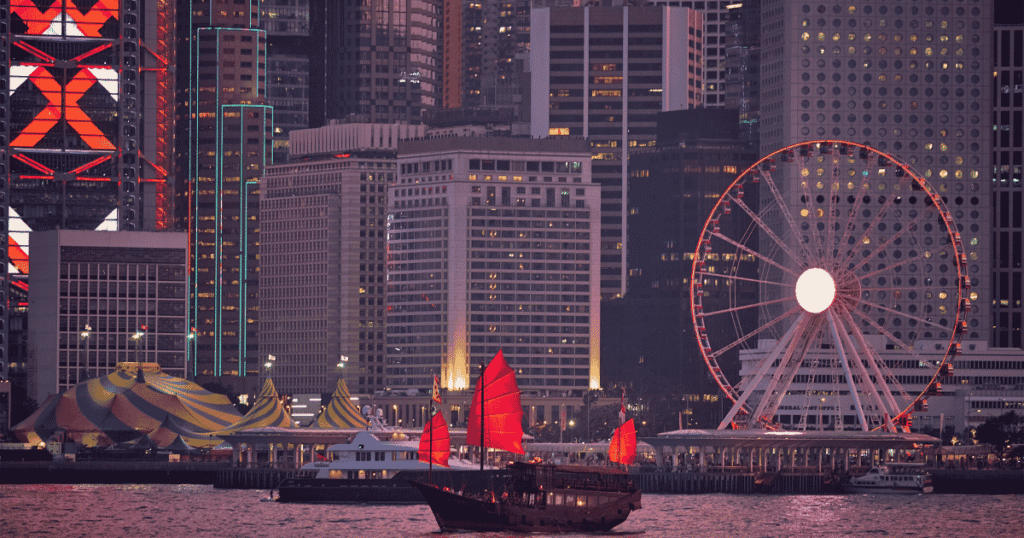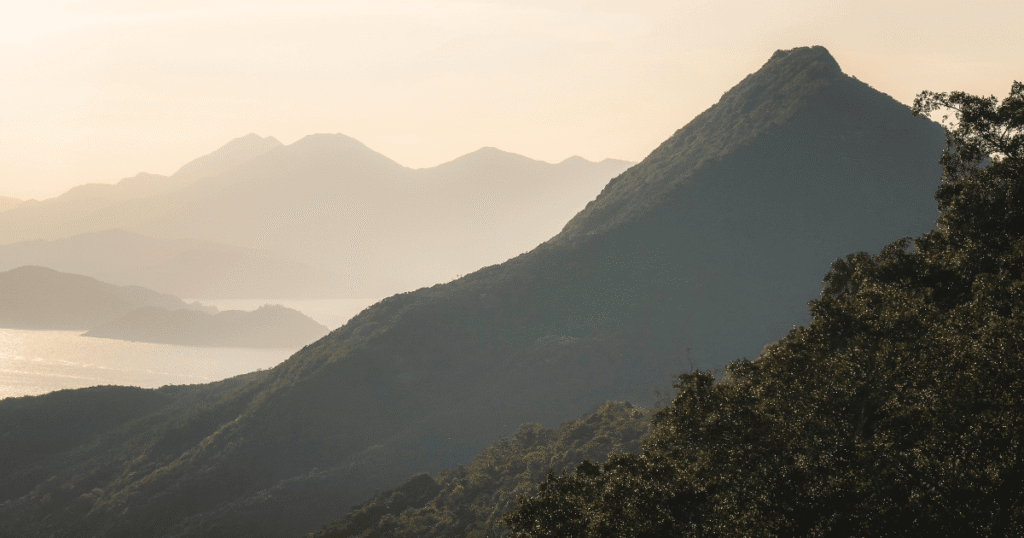
When most people picture Hong Kong, they imagine neon-lit streets and skyscraper canyons. It is one of the densest cities on earth — and that reputation is earned. But it is only half the story.
Over forty percent of Hong Kong’s total land area is protected country park. This is the detail that reshapes everything. It means a city of 7 million people is wrapped, on nearly every side, by mountains, coastline, and ancient forest. In 2026, this duality has become Hong Kong’s defining luxury travel proposition: the ability to move between the urban and the wild within the same morning.
This guide covers the best nature escapes Hong Kong offers, why the concept of urban escapism is driving a new wave of luxury travel in 2026, and how to use the city’s geography to experience both worlds in a single stay.
Why Hong Kong Is the World’s Best City for Urban Escapism
The term “urban escapism” gets applied loosely. In Hong Kong, it is literal.
The city’s topography — a volcanic ridge system descending directly into one of the world’s busiest harbours — means that nature is never more than twenty minutes from any major hotel. No long-haul transfer, no second destination. You step out of a meeting in Central, hail a taxi, and within half an hour you are on a mountain ridge with the South China Sea stretching to the horizon.
In 2026, the luxury travel market has caught up with what long-term Hong Kong residents have always known. The new high-value traveler is not choosing between a city break and a nature retreat. They are booking destinations that can deliver both — and Hong Kong is one of a handful of cities in the world with the geography to back up that promise.
Best Hiking Trails in Hong Kong: From Urban Edges to Remote Ridges
Victoria Peak: The Closest Nature Escape to Central
The Peak is Hong Kong’s most famous vantage point, but the smartest visitors avoid the tram queue and take the Morning Trail instead. This walking path winds through dense subtropical forest directly behind the Central district. The air temperature drops noticeably within the first ten minutes. The Black-eared Kite — Hong Kong’s most common raptor — circles overhead.
The Morning Trail connects to the Lugard Road Circular, a flat 3.5km loop that traces the upper contour of the Peak with unbroken views of Victoria Harbour. Total time from Sheung Wan MTR: under 25 minutes door to trailhead.
Dragon’s Back: Hong Kong’s Best Urban Hike
Consistently voted one of the best urban hikes in Asia, the Dragon’s Back trail in Shek O Country Park is the benchmark for Hong Kong hiking. The route follows a rolling ridgeline above the southeastern coastline, offering panoramic views across Tai Tam Reservoir, Shek O village, and the outlying islands.
The trail is 8.5km in total and finishes at Big Wave Bay — one of Hong Kong’s most accessible surf beaches. In 2026, a growing number of private guides offer curated “Trail to Table” experiences along this route: a guided ridge crossing followed by a private seafood lunch at a Shek O bistro, with chauffeur transfer back to the city.
Sai Kung: Hidden Beaches and Open Water
For travelers willing to travel further, the Sai Kung peninsula is in a different category entirely. Tai Long Wan — accessible only by boat or a two-hour hike — consistently ranks among the most beautiful beaches in Asia. The water is clear enough to see the seabed at depth.
The effort required is, deliberately, part of the experience. The luxury in Sai Kung is not a service amenity — it is the near-total absence of other people.
Coastal Living: Repulse Bay, Stanley & the South Side
Hong Kong’s southern coastline operates at a different frequency from the rest of the city. Repulse Bay and Stanley have a Mediterranean quality that surprises first-time visitors: lower buildings, open sky, a pace oriented toward the water rather than the market.
In 2026, the Southern District’s revitalization has brought a new generation of boutique wellness studios and seafood restaurants to Stanley waterfront. Extended-stay travelers are increasingly using this area as a decompression base — booking a week at a serviced apartment on the south side, working remotely in the mornings, and spending afternoons on the beach or kayaking the coastline.
A typical Saturday here: a yoga session on a private terrace overlooking the bay, followed by locally caught seafood at a waterfront bistro, followed by an evening drive back into Central for dinner. This is the rhythm Hong Kong rewards — if you know where to base yourself.
Wellness Tourism in Hong Kong: Biophilic Hotels and Nature-Based Stays
How Hong Kong’s Luxury Hotels Are Responding to the Nature Trend
The leading hotels and serviced apartments in Hong Kong have recognized a clear market signal: guests want the city’s energy and the surrounding nature accessible within the same stay. The design response has been a wave of biophilic interiors — living walls, natural materials, floor-to-ceiling windows that make the harbour view a permanent feature of the room rather than an amenity.
Forest Bathing (a structured form of nature-based mindfulness, originating in Japan’s Shinrin-yoku practice) is now a standard offering from several top-tier operators. Guests are guided to the quietest sections of Lantau Island or the Tai Lam Country Park for sessions under ancient banyan tree canopies.
The Serviced Apartment Advantage for Long-Stay Wellness Travel
A notable 2026 trend is the shift toward serviced apartments over hotels for wellness-focused travelers. The ability to cook, maintain a routine, and treat a property as a genuine home base — rather than a room to return to — changes how people engage with a destination.
For travelers planning a week or more in Hong Kong, properties like CM+ Hotel & Serviced Apartments in Sheung Wan offer this hybrid model: hotel-standard service and harbour views, with the kitchen, laundry, and co-working facilities of a fully equipped apartment. The Sheung Wan location specifically places guests two minutes from the Macau Ferry Terminal and within a short taxi ride of every major trail access point on Hong Kong Island.
Eco-Tourism in Hong Kong: Nature Reserves and Conservation Experiences
Sustainability has moved from talking point to baseline expectation in 2026. The best-regarded properties in Hong Kong now actively connect guests with the city’s conservation infrastructure.
Mai Po Nature Reserve — a 1,500-hectare wetland on the edge of Shenzhen Bay — is one of East Asia’s most important migratory bird staging grounds. Guided visits during the autumn and spring migration seasons have become a recognised luxury activity, particularly for guests extending their stay beyond the standard two-night business trip.
Hoi Ha Wan Marine Park in Sai Kung offers a different dimension: guided coral restoration programs where guests actively participate in reef rehabilitation. These experiences add a layer of purpose to a luxury itinerary that a standard city break cannot provide.
Frequently Asked Questions About Hong Kong Nature Travel
Is Hong Kong good for hiking?
Yes — Hong Kong has over 300km of marked hiking trails across four long-distance Country Trails, and most are accessible from the city centre within 30–45 minutes. The Dragon’s Back, the Wilson Trail, and the MacLehose Trail are the three most commonly recommended routes for visitors.
When is the best time to visit Hong Kong for outdoor activities?
October to February offers the best conditions — cool, dry air with high visibility. Summer months (June–August) are hot and humid with frequent typhoons. Spring (March–April) brings lower visibility due to seasonal haze.
Can you reach Hong Kong’s beaches easily from the city?
Yes. Repulse Bay and Stanley are 20–30 minutes from Central by taxi. Sai Kung beaches require 45–60 minutes. Tai Long Wan, the most remote and arguably most beautiful, requires a boat or a long hike.
What is the best area to stay in Hong Kong for easy nature access?
Sheung Wan and Central are the optimal bases for Hong Kong Island’s trails (Peak, Bowen Road, Dragon’s Back via taxi), the harbour ferries, and the Macau/Lantau ferry connections. Properties in this corridor offer the shortest transit time to the widest range of natural destinations.
Where to Stay: A Base That Connects the Urban and the Natural
Hong Kong rewards travelers who plan their base as carefully as their itinerary.
The most efficient approach in 2026 is to anchor at a property in the Sheung Wan–Central corridor — close enough to walk to the harbour promenade, close enough to reach every major trailhead within thirty minutes, and close enough to the ferry terminals for day trips to Lantau, Cheung Chau, and the Sai Kung coast.
CM+ Hotel & Serviced Apartments sits at Sheung Wan MTR Station Exit C, two minutes from the Macau Ferry Terminal and ten minutes on foot from the Central harbourfront. The North Tower’s 54 full harbour-view rooms mean the water is always visible — a permanent reminder of exactly how close Hong Kong’s natural world is to its financial one.
For travelers who want the complete Hong Kong experience — the city and the mountain, the market and the sea — the base you choose is the decision that makes everything else possible.