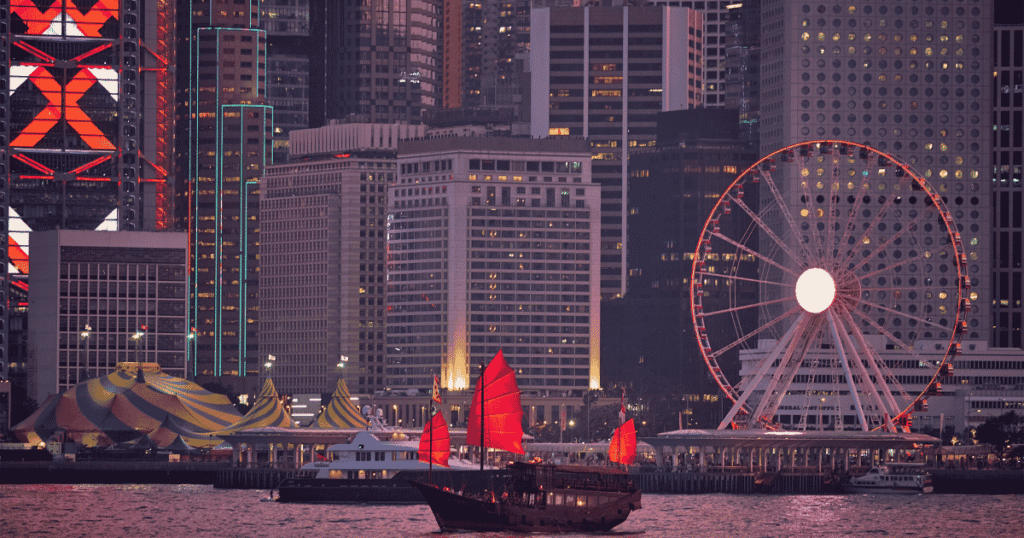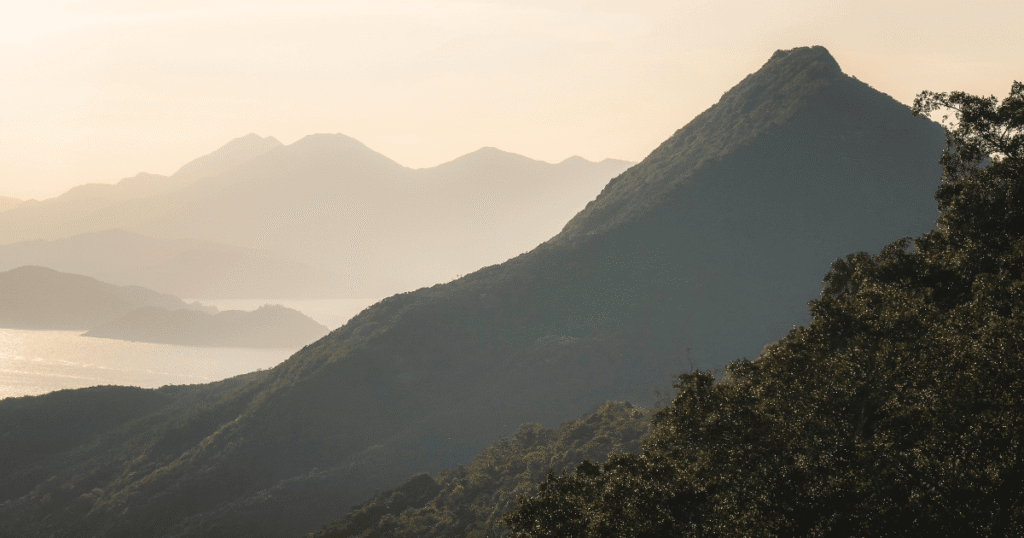
When people imagine Hong Kong, they usually picture the neon glow of Causeway Bay or the dense skyscraper canyons of Central. It is a city defined by its verticality and its relentless pace. However, those who have spent significant time here know a secret that is becoming the primary draw for luxury travelers in 2026. Over forty percent of Hong Kong is protected parkland. This makes it one of the few places on earth where you can hike a rugged mountain ridge in the morning and attend a black-tie opera in the evening.
In 2026, the concept of urban escapism has taken center stage. Travelers are no longer choosing between a “city break” and a “nature retreat.” They are demanding both. Hong Kong is uniquely positioned to deliver this hybrid experience.
The Counter-Narrative: Shattering the Concrete Myth
The new luxury traveler seeks contrast. They want the sharp, clean lines of a five star hotel suite juxtaposed with the raw, untamed beauty of the South China Sea. This year, the trend is about moving beyond the pavement.
The journey into Hong Kong’s natural side often begins right behind the most expensive real estate in the world. Rising directly behind the Central district is the Peak, but the seasoned explorer avoids the tram queues. Instead, they take the Morning Trail, a winding path through lush subtropical flora where the air is noticeably cooler and the only sound is the call of the Black-eared Kite. This is the first level of urban escapism, a literal elevation above the city’s stresses.
The Dragon’s Back and the Call of the Coast
For a more immersive experience, the Dragon’s Back remains the gold standard of Hong Kong hiking. Voted repeatedly as one of the best urban hikes in Asia, it offers a rolling ridge path that feels worlds away from the stock market.
In 2026, locals have begun offering curated “Trail to Table” experiences. A private guide leads guests across the undulating spine of the mountain, offering panoramic views of Shek O, Tai Tam, and the distant islands. The hike concludes at Big Wave Bay, where a private chauffeur meets the guests with chilled towels and organic refreshments before whisking them back to the city.
This connection to the water is vital. Hong Kong’s coastline is a labyrinth of hidden coves and white sand beaches. Places like Tai Long Wan in Saikung offer water so clear it rivals the Maldives. While these spots require a boat or a significant hike to reach, the effort is the point. The luxury lies in the exclusivity of the silence.
Coastal Elegance: The Mediterranean Soul of the South Side
If the rugged peaks of the New Territories are for the adventurous, the South Side of Hong Kong Island is for those who appreciate coastal elegance. Areas like Repulse Bay and Stanley have a distinctly Mediterranean feel.
The architecture here is lower, the pace is slower, and the lifestyle revolves around the horizon. In 2026, the revitalization of the Southern District has introduced new boutique wellness concepts that utilize the sea air. High-end travelers are increasingly booking “extended stays” in these districts to escape the humidity and noise of the northern shore.
Imagine a Saturday morning that begins with a yoga session on a private terrace overlooking the bay, followed by a light lunch of locally caught seafood at a Stanley bistro. This is the Hong Kong that the world is finally starting to recognize, a city that breathes with the tides.
Wellness at the Top: The Hotel as a Nature Bridge
The luxury hotels of 2026 have recognized that they must act as a bridge between the urban and the natural. We are seeing a rise in “biophilic design” within the city’s top suites. This involves bringing the outside in through massive living walls, indoor water features, and terrace gardens that attract local birdlife.
The wellness menus have also evolved. Many spas now offer treatments that use minerals and botanicals sourced directly from the surrounding islands. “Forest Bathing” sessions are now a standard offering, where guests are taken to the quietest parts of Lantau Island or the New Territories to practice mindfulness under the canopy of ancient banyan trees.
This is not just about relaxation; it is about “re-wilding” the urban soul. After a day of intense meetings in the finance district, the ability to return to a hotel that smells of cedar and jasmine is a profound luxury.
The Sustainable Future of Asia’s World City
Sustainability is no longer a buzzword in 2026; it is a requirement. The luxury hotels that our network supports are leaders in this field. They are reducing their carbon footprints while actively participating in local conservation efforts.
Guests can now take part in “Eco-Conscious Discovery” tours. These might include visiting the Mai Po Nature Reserve to see migratory birds or learning about coral restoration in Hoi Ha Wan Marine Park. These activities provide a sense of purpose to a luxury stay. It allows travelers to give back to the environment that provides them with such a stunning backdrop.
Conclusion: The Ultimate Balance
Hong Kong in 2026 is a masterclass in balance. It is a place where you can find world class shopping and ancient volcanic rock formations within a thirty minute radius. By embracing urban escapism, you aren’t ignoring the city; you are experiencing it in its most complete form.
The modern traveler knows that the true soul of Hong Kong isn’t found in a shopping mall. It is found on a misty mountain trail at dawn, or in a quiet cove as the sun sets over the South China Sea. Your next stay should reflect this. Choose a property that understands the importance of the green as much as the gold.